The Art of Curating and Creating New Wedding Designs in a Sea of Never-Ending Inspiration
The 2025 wedding season introduced the best wedding trend to-date: intention over tradition. The wedding industry witnessed a gold rush of couples swapping traditional wedding cakes for supersized versions of their favorite dessert, trading name-engraved shot glass favors for full-blown souvenir tables, and opting for signature drink only bars.
These one-size-fits-all choices are undoubtedly The Better Option for most couples, but even when spent inside a $70 billion industry, there are two sides to every coin. The current state of weddings includes every moment being documented by one hundred different pocket-sized cameras from one hundred different angles all the time. The knowledge of constant documentation is making Gen Z couples feel pressure to create a wedding experience that isn’t only meaningful to them, but also holds high virality potential. This combination in engaged couples going into 2026 is quickly spiraling into an unwillingness (although seemingly subconscious) to push the barriers of what their wedding could be, instead opting for the comfortability of re-creating their inspiration screenshotted from Pinterest, TikTok, and Instagram.
As wedding creatives, how does this affect us?
The best part of Gen Z is rooted in their iconic, almost cultish, community culture. In the wedding industry, this reflects in instantly-trending moments and services, obvious styling gravitations, and clear marketing strategies for business owners. In 2025 alone, this cult-following influenced the overnight boom of wedding content creators, “just married” tiramisus, and reception dress swaps.
The wedding industry went mainstream, influencers went viral for sharing their fiancée eras, and brides started going straight to TikTok and Instagram for direct-to-comments vendor recommendations (or callouts). This continually growing online community has created endless opportunity for innovation and creativity for brides and creatives alike. However, when clicks and likes equal inquiries and brand deals, the opportunities for creative become less appealing than immediately available, already viral inspiration, and re-creation demands begin replacing design requests.
How can we combat the urge to succumb to easy re-creation over creating fresh, new ideas when it sometimes feels like couples are only looking for the latter?
Admittedly, it is painfully difficult to escape the, “I can do this but better,” mindset once the hole is dug. Generally, this stems from clients reaching out with inspiration by other creatives in your market or niche, asking if you are able to create it for them. Then, when your re-creation goes viral, and the rest of your content stays stagnant, it becomes increasingly difficult to break from the cycle of creating what people are familiar with. This cycle of re-creation doesn’t exist in a bubble of wedding day creation, either. It quickly begins leaching into your ability to independently come up with unique social media posts, captions, and client outreach methods, so it is best to nip it in the bud.
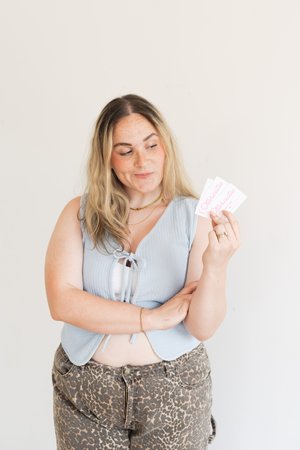
As a food stylist in Utah, I get tons of client inquiries requesting exact replicas of inspiration they found on Pinterest or in wedding magazines. Through trial and error, I have developed specific strategies to save the sale by appeasing the visions and desires of potential clients, while preserving my desire to have creative autonomy in their wedding space.
My grazing tables while I was doing what everyone expected charcuterie and food styling to look like.
My most recent food styling after using my strategies.
My Strategies (TL;DR style)
I do a lot of styled shoots. I mean, a lot.
HOW THIS WORKS: I styled as many different food tables as I could dream of, in environments that not only encouraged, but generally required creativity. This boosted my confidence in my ability to create new table designs, while working within a theme, color palette, and general vibe/ambiance. This also padded my portfolio with options for potential clients to view and understand my versatility and creativity as a food stylist.
I ask two key questions in my inquiry form. First, I request a link to my potential wedding clients’ entire wedding Pinterest board. Then, I ask them to describe the vibe of their wedding in three words.
HOW THIS WORKS: By seeing their entire wedding vision off the bat, rather than just a few of their selected pictures they want to show me, this allows me to get creative with their color palettes, shapes and forms, seasons, and textures. The three words they choose to describe their wedding with give me direction on what matters most to them in their creative direction.
I create a custom mood board for each individual client before they sign their contract. The mood board is a key part of my booking process (and is another reason I request Pinterest board access).
HOW THIS WORKS: First, I am going to emphasize that this is the best way to show your clients right off the bat that you actually care about them and their wedding day. Wedding clients interact with dozens of different vendors before they choose the ones who best align with their vision, so this is a great way to immediately give you a head start. Next, wedding clients want to believe you are not only able to execute, but also truly understand what they’re looking for. Creating the mood board immediately poses you as an expert and presents a visually digestible combination of your vision and theirs, while eases any fear if they don’t show you exactly what they want, they won’t feel satisfied.
I am obnoxious on social media. I post every step of the process. The shopping, the terrible mock-up sketches, the antiquing and thrifting, the on-site behind the scenes.
HOW THIS WORKS: This gives more context of my process to potential clientele. Currently, the majority of my clients root from Instagram, so that is where I pour the most effort. When clients understand every step of what you do, they trust you to translate their vision into a curated moment when the day comes.
I let go of the incessant need to be totally unique. Once I stopped forcing myself to create totally unique food styling for every table, I was able to just create.
HOW THIS WORKS: I have signatures that tend to reappear on almost every table I style. Instead of fighting this, I started leaning into it. This created a sense of familiarity to help clients understand my style and immediately recognize whether I am right for them. Once your potential clients trust you, you are done with the hardest part.
The best part of being a wedding creative is getting to actually be a wedding creative. It is time to let go of the belief that following what is trending will translate into follows, likes, inquiries, and bookings. Take what you like, leave what you don’t, and create something new.
For food styling tips, wedding creative insights, and other wedding content, subscribe!
For daily behind-the-scenes styling and current weddings, follow along on Instagram → @charcutie.ut
Now booking 2025–2026 luxury weddings. Inquire at www.charcutieutah.com/inquire